
Auckland's Ultimate Chill: Heat Pump vs. AC - The True Winner Revealed!
Heat Pump vs. Dedicated Air Conditioner: Which is Better for Auckland Summers?
Key Takeaways
- Modern heat pumps and dedicated air conditioners use identical refrigeration technology, providing the same high level of cooling comfort.
- High-efficiency heat pumps excel at dehumidification, which is the most effective way to combat Auckland's muggy subtropical climate.
- A reverse-cycle heat pump delivers the lowest running-cost heating for New Zealand winters, offering significantly better value than a cooling-only unit.
- Professional installation and annual servicing are essential to maintain efficiency and can save homeowners up to $250 per year in energy costs.
Choosing the right way to cool your home in Auckland often leads to a common question: is a heat pump actually as good as a "real" air conditioner? Many of us grew up thinking these were two different machines. We often associate air conditioners with the powerful cooling found in offices and view heat pumps primarily as heaters that happen to have a cooling button.
The reality is that in New Zealand, what we call "air conditioning" is almost always a reverse-cycle heat pump. Whether you are trying to keep a bedroom comfortable in Birkenhead or a retail space cool in Remuera, understanding how these systems handle our unique climate is the first step toward a comfortable home.
The Auckland Climate Factor: Why Humidity is the Real Enemy
Auckland has a subtropical climate characterised by warm, humid summers and mild winters. While our peak temperatures rarely reach the scorching highs seen in Australia or the Mediterranean, our humidity levels remain consistently high. According to NIWA, Auckland receives around 2,000 hours of sunshine annually, but it is the high vapour pressure that makes a 25-degree day feel significantly more oppressive.
Effective cooling in Auckland requires a system that manages moisture as much as it manages temperature. A dedicated air conditioner and a heat pump both achieve this by passing warm indoor air over a cold evaporator coil. This process causes moisture to condense and drain away, leaving the air inside your home crisp and dry. Because both systems use this exact mechanism, a correctly sized heat pump is perfectly capable of handling the stickiest Auckland afternoons.
Cooling Performance: Are They Actually Different?
Technical experts at Trane confirm that heat pumps and air conditioners cool your home in the same way. When two units have comparable efficiency ratings, there is no measurable difference in comfort quality or energy costs during the summer months. Both systems use electricity to move heat from inside your house to the outdoors.
In fact, high-efficiency heat pumps often provide superior dehumidification compared to many standard central air conditioning units. This is particularly relevant for Aucklanders because lower humidity allows us to feel comfortable at slightly higher set-point temperatures, which reduces overall energy consumption. If you set your unit to 23 degrees and the humidity is low, it will feel much cooler than the same temperature in a damp room.
For more details on how these systems compare and the brands available in New Zealand, you can read our comprehensive guide on Auckland air conditioning.
https://www.aucklandheatpumpservices.co.nz/auckland-aircon-your-ultimate-guide-to-installation-costs-top-brands
Efficiency and Running Costs in New Zealand
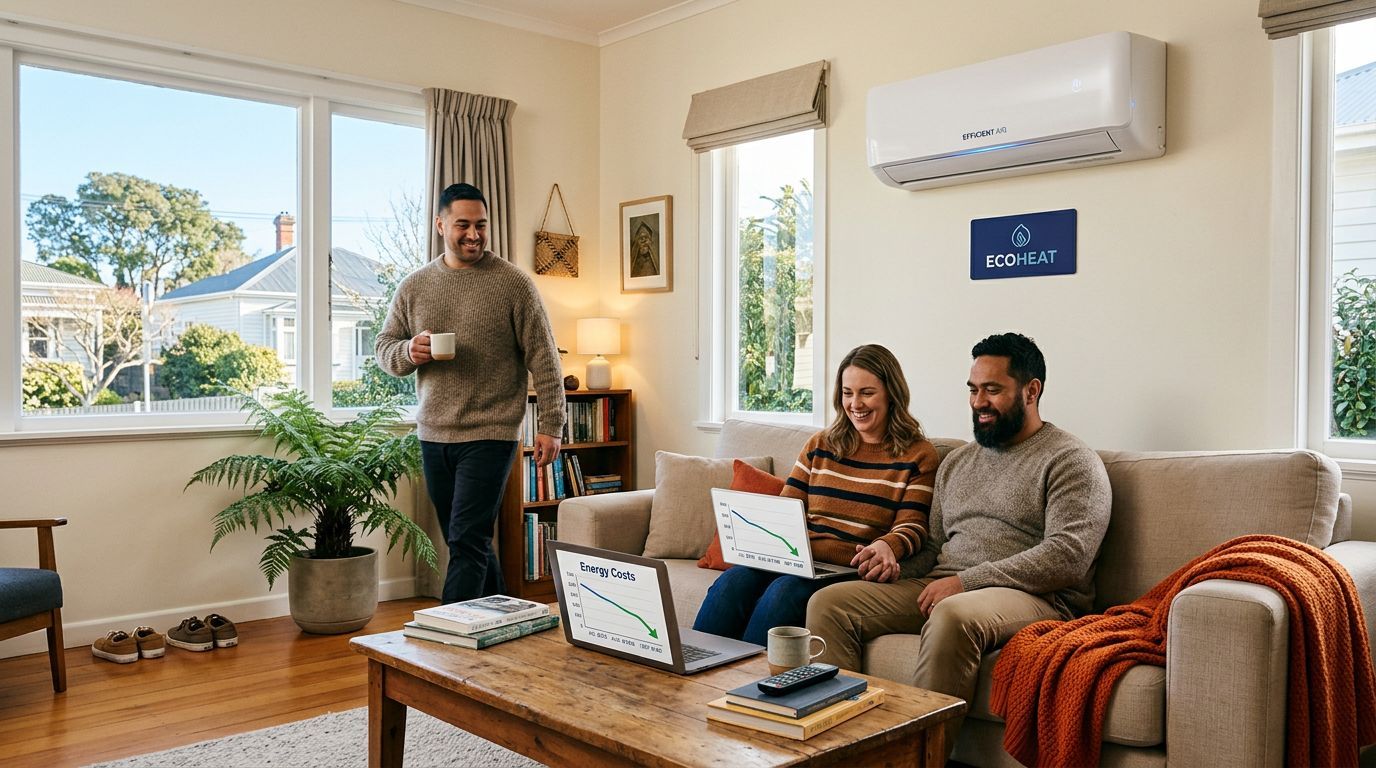
Aucklanders are understandably focused on the monthly power bill. Modern heat pumps are incredibly efficient, often delivering 3 to 5 kW of cooling or heating for every 1 kW of electricity they consume. Data from DC Installation Services suggests that typical summer cooling costs for a domestic heat pump range between $60 and $120 per month, depending on how often the system is used and the size of the area being cooled.
We find that many people worry about the cost of leaving the "aircon" on during a humid night. Modern inverter technology allows the system to slow down once the target temperature is reached rather than switching off entirely. This maintains a consistent climate and uses far less power than the old-fashioned portable units that many people rely on as a temporary fix.
The Year-Round Advantage: Winter Comfort
The primary reason the reverse-cycle heat pump has become the standard in New Zealand is its versatility. A dedicated air conditioner is a single-season tool. In contrast, a heat pump provides the lowest cost home heating option available, costing about one-third as much to run as gas heating.
Auckland winters are famously damp. While we rarely see snow, the high humidity makes our homes feel cold and leads to condensation on windows. A heat pump addresses this by providing efficient, filtered warmth. EECA reports that heat pumps have approximately 10 times lower emissions than gas or LPG heating in New Zealand because our electricity grid relies heavily on renewable sources. Investing in a heat pump means you are solving your summer cooling needs and your winter heating needs with a single, eco-friendly installation.
The Installation Investment: Comparing Costs
From an upfront cost perspective, there is very little difference between a high-quality cooling-only unit and a reverse-cycle heat pump. In the New Zealand market, most manufacturers focus their technology on heat pumps because the demand for cooling-only units is very low. This means you often get better technology and a longer warranty by choosing a heat pump.
Based on current market rates, a single-split heat pump typically costs between $1,700 and $4,000 installed. If you are looking to cool multiple rooms, a multi-split system usually starts around $4,000, while full ducted systems for an entire home range from $8,000 to $15,000. For a detailed breakdown of what to expect during the process, our installation guide provides a clear roadmap for Auckland homeowners.
https://www.aucklandheatpumpservices.co.nz/auckland-heat-pump-installation-your-expert-guide-to-year-round-comfort-savings
Maintenance and Long-Term Performance
Whether you choose a system for cooling or year-round use, performance depends entirely on maintenance. We have seen that dust and dirt buildup in indoor filters can increase power consumption by as much as 35%. This forces the motor to work harder, which shortens the lifespan of the unit and decreases its ability to remove humidity from the air.
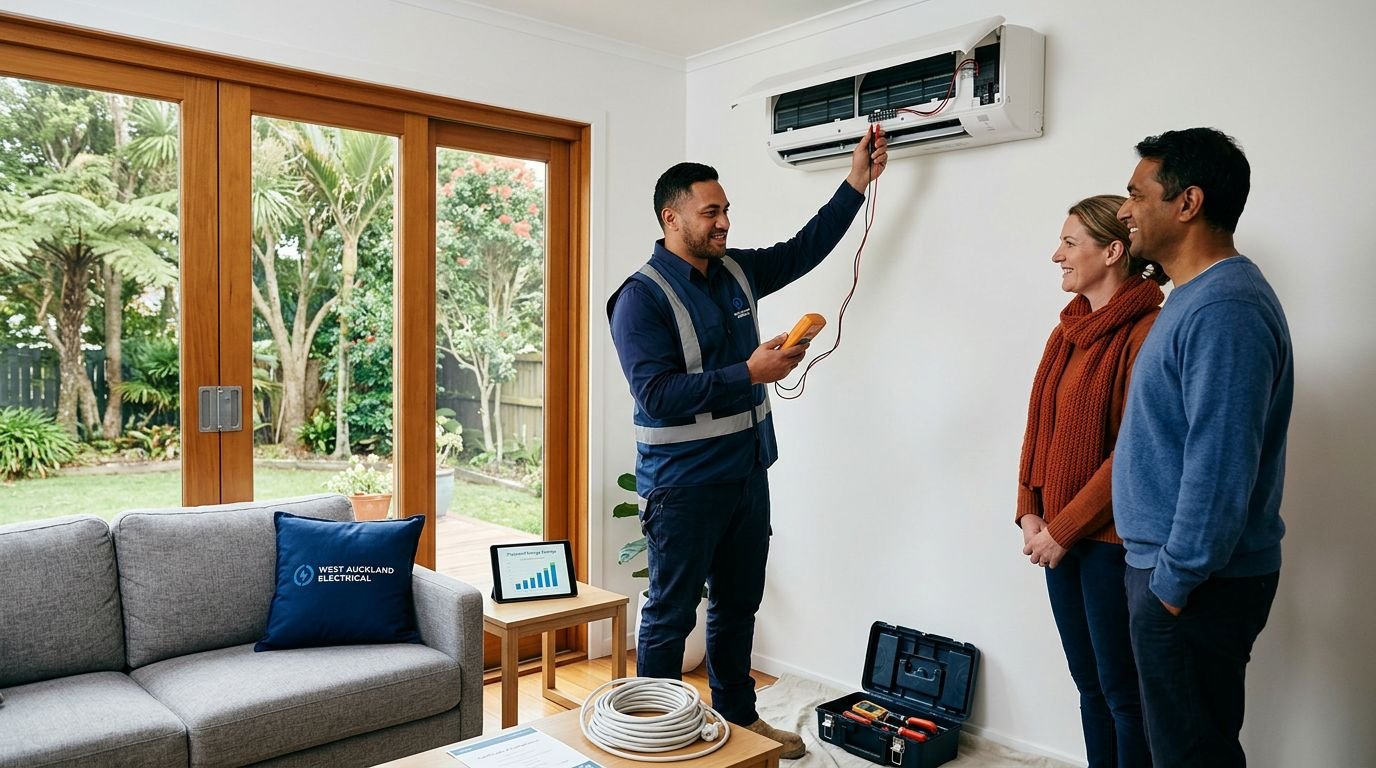
We recommend a professional service at least once a year. This ensures the refrigerant levels are correct, the coils are clean, and the drainage lines are clear. A well-maintained system runs more quietly and can save you up to $250 per year on your energy bills. Regular servicing also ensures that the air your family breathes is properly filtered and free from allergens.
You can find more information about what a professional service entails on our dedicated servicing page.
https://www.aucklandheatpumpservices.co.nz/heatpump-service
Making the Right Choice for Your Auckland Property
For the vast majority of Auckland properties, the heat pump is the superior choice. It offers identical cooling performance to a dedicated air conditioner while providing the most efficient heating solution for our damp winters. The ability to dehumidify the air effectively makes it the perfect tool for our subtropical environment.
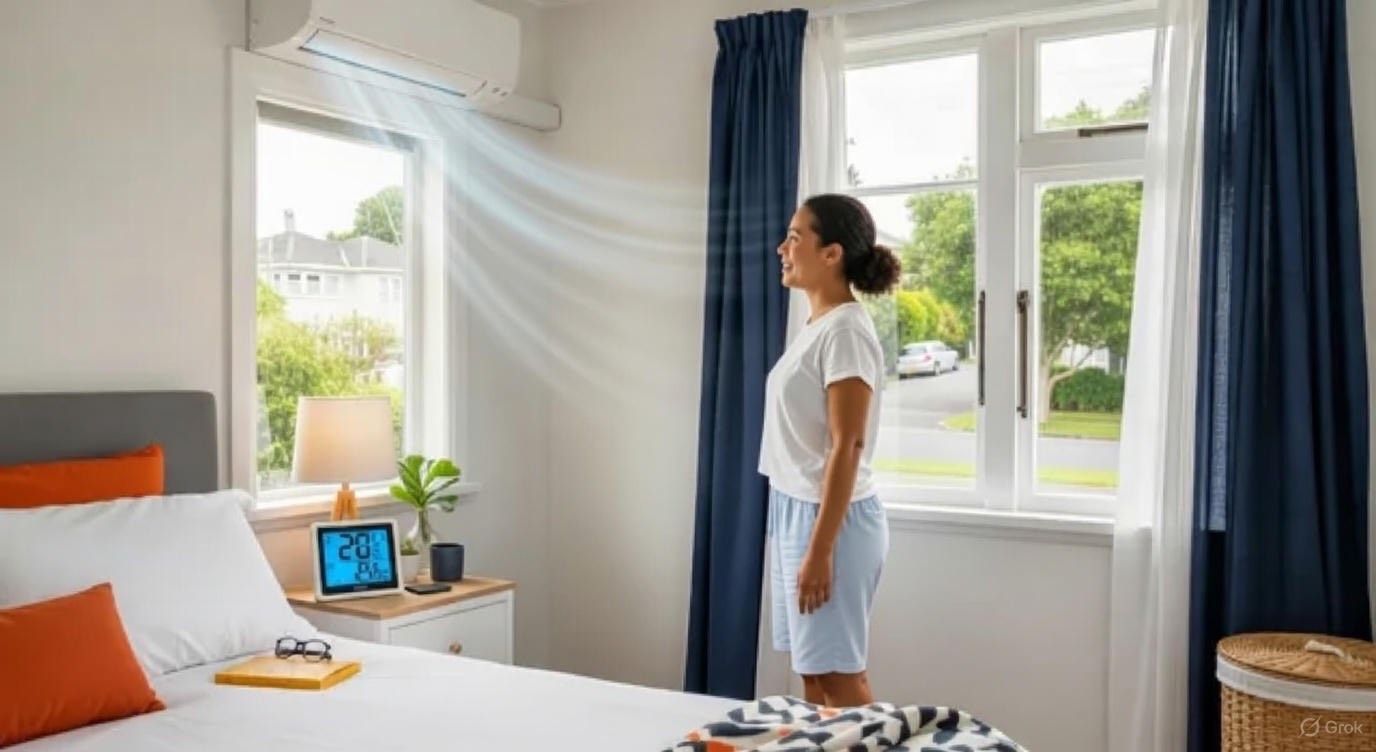
Take a homeowner in West Auckland, for example. They might install a system primarily to sleep better during a humid February, but they will find the greatest financial benefit in July when the same unit keeps their lounge dry and warm for a fraction of the cost of a plug-in heater. Unless you already have a comprehensive, modern central heating system and only require cooling for a very specific, isolated space, the versatility of the heat pump offers the best return on investment.
If you are ready to improve your home comfort, we recommend speaking with a registered professional who can calculate the exact capacity required for your space. Correct sizing is the difference between a system that struggles on a hot day and one that provides effortless, quiet comfort all year round.