
Heat Pump Health: Slash Bills & Breathe Easy With This DIY Filter Cleaning Guide!
How Do I Service My Heat Pump? A Step-by-Step Guide to Filter Cleaning
Key Takeaways
- Cleaning indoor filters every 2 to 4 weeks maintains airflow and keeps power bills low.
- Dirty filters and coils increase energy consumption by 10% to 35%.
- A professional annual service can save Auckland households up to $250 per year on energy.
- DIY filter maintenance is a simple 15 minute task that requires no specialist tools.
- Professional help is necessary for deep coil cleaning, electrical checks, and refrigerant levels.
We often hear from Auckland homeowners asking how they can keep their systems running efficiently without needing a technician every month. While complex technical checks require a registered electrician, the most impactful part of a heat pump service is something you can do yourself. Cleaning your filters is the single best way to protect your investment and your comfort.
Why a Clean Heat Pump Filter Matters
Your heat pump works by pulling air through a mesh filter before passing it over an indoor coil. This filter catches dust, pollen, and pet hair, preventing them from clogging the internal components. When these filters become blocked, the unit must work significantly harder to move air through the house. Dust and dirt trapped in filters and coils can increase power consumption by 10 to 35 percent, leading to noticeably higher monthly bills.
In our humid Auckland climate, a dirty filter also presents a health risk. Clogged systems can become breeding grounds for mould and bacteria, which then circulate through your living spaces. Regular maintenance ensures your home remains a healthy environment for your family. By keeping the system clean, you also extend its lifespan. Well-maintained residential systems often last 15 to 20 years, as noted in recent HVAC industry data regarding preventative maintenance.
For a deeper look at how dirt affects your wallet, read our guide on The Heat Pump Health Check , which explains how an annual clean can save you up to $250 a year.
How Often Should You Clean Your Filters?
The frequency of your cleaning routine depends on how often you use the unit and the environment of your home. A family with pets in a busy suburb like Remuera will need to clean their filters more often than a single occupant in a quiet coastal area.
We recommend cleaning your filters every 2 to 4 weeks during periods of heavy use, such as the peak of winter or the height of summer. This aligns with advice from Hitachi NZ , who suggest fortnightly inspections during the heating and cooling seasons. For periods of light use, a seasonal clean is usually sufficient. EECA also recommends a monthly clean during winter to ensure maximum efficiency.
Regular attention to your filters is the core of any DIY service. It ensures the air remains fresh and the unit operates at peak performance without wasting electricity. You can find more details on frequency in our Auckland Heat Pump Checklist.
Step-By-Step Guide: Cleaning Your Wall-Mounted Unit
Servicing your own filters is straightforward. You will need a stable step-ladder, a vacuum with a soft brush attachment, a soft cloth, and some lukewarm water with a drop of mild detergent.
- Turn the unit off using the remote and then switch off the power at the wall or the isolator switch for safety.
- Position your ladder safely and gently lift the front panel of the indoor unit until it clicks into its open position.
- Locate the mesh filters and slide them out using the small tabs provided.
- Vacuum both sides of the mesh using a soft brush attachment to remove loose dust and hair.
- Wash the filters in lukewarm water if they appear greasy or heavily soiled, using a very small amount of mild dish soap.
- Rinse the filters thoroughly and leave them to dry completely in a shaded, well-ventilated area.
- Wipe the external plastic casing and louvers with a damp cloth while the filters dry.
- Slide the dry filters back into place, close the front panel, and restore the power.
Maintaining the integrity of the mesh is vital. Use low-pressure water and soft cloths to avoid tearing the delicate material. Keep the filters away from direct sunlight or heaters while drying, as high heat can warp the plastic frames. For a complete comparison of what you can handle versus what we do, see our guide on DIY vs Professional Heat Pump Servicing.
When to Call the Professionals
DIY filter cleaning is essential, but it is only one part of a healthy maintenance schedule. Some tasks require technical expertise and specialised tools to ensure the system remains safe and efficient. Modern air-source heat pumps can reduce electricity use for heating by up to 75 percent compared to older electric heaters, but this efficiency relies on the entire system being in top condition, as highlighted by the U.S. Department of Energy.
Contact a professional if you notice persistent smells, such as a musty or damp odour, which indicates mould growth deep within the coils or the fan blower. You should also seek help if the unit makes unusual grinding or clicking noises, or if you see water leaking from the indoor unit. These issues often stem from blocked internal drains or mechanical wear that requires an expert touch.
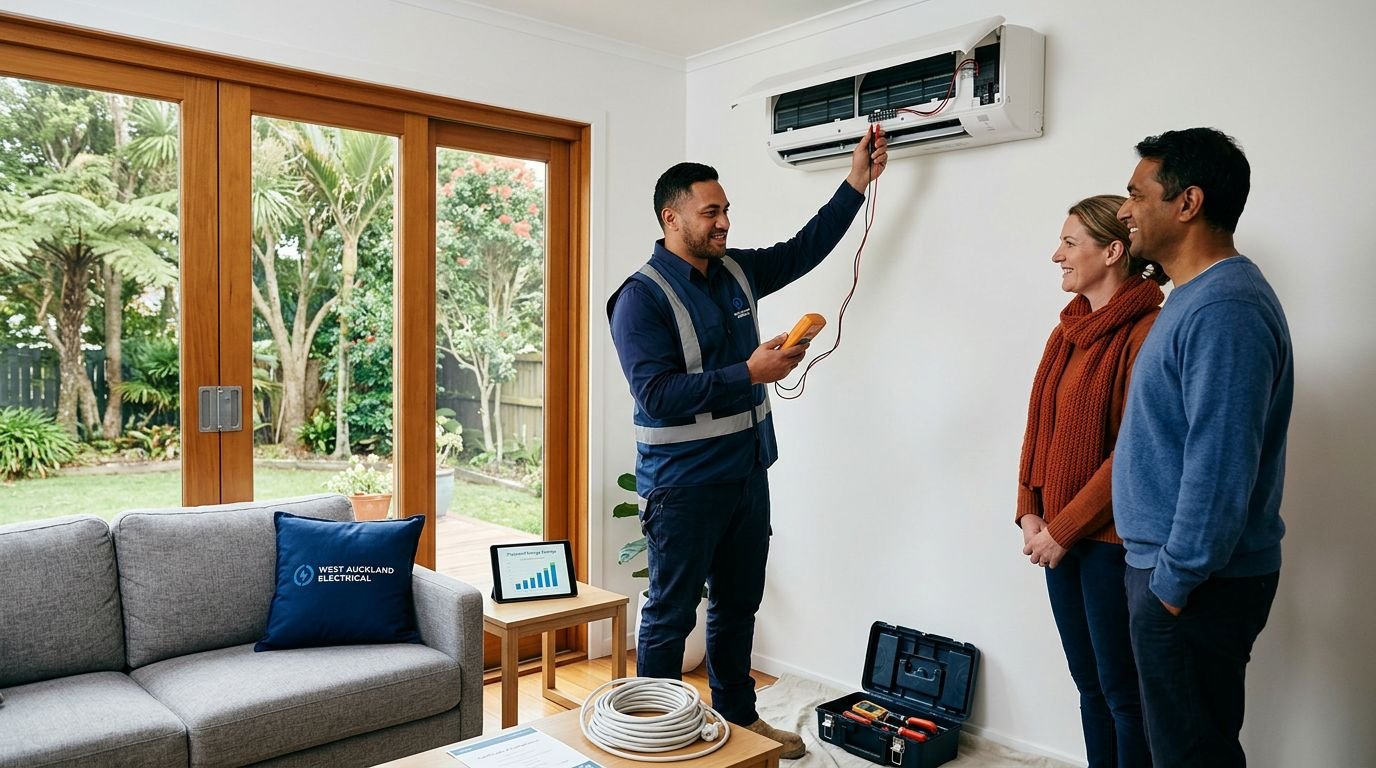
Professional servicing involves disinfecting the coils, clearing the primary drain line, and checking the outdoor unit for refrigerant leaks or electrical corrosion. We recommend booking a comprehensive Heat Pump Service once every 12 months. This annual check-up ensures your warranty remains valid and your system continues to provide the most cost-effective heating and cooling for your Auckland home.