
DIY vs. Professional Heat Pump Service: A Realistic Guide

The Auckland Heat Pump Services Team • February 20, 2026

Share this article

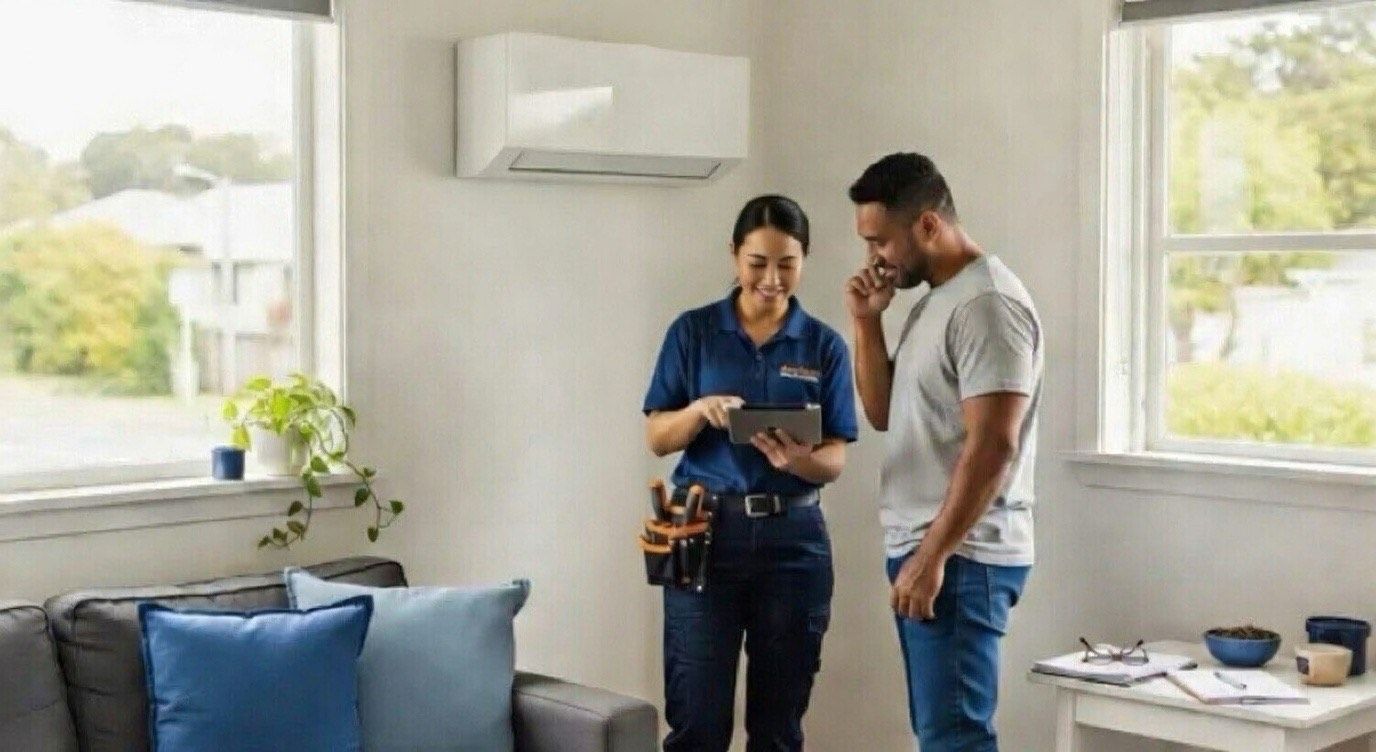
Guide on how to clean and service your heat pump

Key Takeaways

  • Homeowners should clean indoor unit filters every two to four weeks to maintain airflow.
  • Professional servicing can reduce annual energy bills by up to $250 by restoring efficiency.
  • Accumulated dust and dirt can increase your unit's power consumption by 10 to 35 percent.
  • Manufacturer warranties often require annual professional maintenance to remain valid.
  • Technical tasks involving refrigerant and electrical components require a licensed technician.

We often find ourselves sitting down with Auckland homeowners who want to know exactly how much of their heat pump maintenance they can tackle on their own. It is a fair question. In a city where we rely on these systems for both damp winters and humid summers, keeping them running well is a priority for any household budget. The short answer is that you can certainly handle the basic upkeep, but a full technical service requires a professional touch to ensure safety and long term performance.

In our experience, a proactive approach to DIY care combined with a regular professional heat pump service is the most effective way to protect your investment. When dust and dirt build up in your indoor filters and coils, it forces the system to work much harder than it should. Our own testing at Auckland Heatpump Services shows that this buildup can increase power consumption by 10 to 35 percent. By staying on top of basic cleaning and booking an annual professional service, you can save up to $250 a year on your energy bills.

You can find more details on how these savings work on our page dedicated to professional heat pump servicing in Auckland. Understanding the balance between what you can do and what we do is the first step toward a more efficient home.

The DIY side: How to clean your heat pump filters

Cleaning the air filters is the most important task you can perform yourself. These filters act as the first line of defence, trapping dust, pollen, and other airborne particles before they reach the internal coils. When these become clogged, the airflow drops, and the unit has to run for longer periods to reach your desired temperature. We recommend checking your filters every two weeks during periods of heavy use, such as the height of winter or summer.

To clean your heat pump filters, start by lifting the front panel of your indoor unit. Most models have small tabs on the sides that allow the cover to click open. Gently slide the mesh filters out. If they only have a light coating of dust, you can use a vacuum cleaner with a brush attachment to clear them. If the dust is stubborn or greasy, which often happens if the unit is near a kitchen, you can wash them in warm water with a mild detergent. Always ensure the filters are completely dry before sliding them back into the unit.

Regularly cleaning your filters ensures that your heat pump operates effectively and maintains high indoor air quality. For a more detailed look at these basic maintenance tasks, you can read our full heat pump health check guide which covers the essential steps for Auckland homes.

Caring for the outdoor unit of your heat pump

The outdoor unit is often overlooked because it sits out of sight, but it plays a critical role in the heat transfer process. Its job is to either exhaust heat from your home or pull heat in from the outside air. If the outdoor coils are blocked by leaves, cobwebs, or overgrown garden plants, the system loses its ability to breathe. This restriction leads to higher energy bills and puts unnecessary strain on the compressor.

We suggest keeping a clear zone of at least 50 centimetres around the outdoor unit. This means trimming back any shrubs and removing any debris that might have blown against the casing. You can also use a soft brush to gently clear away cobwebs or loose dirt from the external fins. Avoid using a high pressure water blaster on these fins, as they are delicate and can easily bend, which permanently restricts airflow.

Maintaining this clear space allows the unit to operate as intended. According to Kiwi Heat Pumps, homeowners can safely handle debris removal around the outdoor unit and basic visual inspections, but deeper cleaning of the internal components must be left to the experts.

Why professional servicing is a requirement

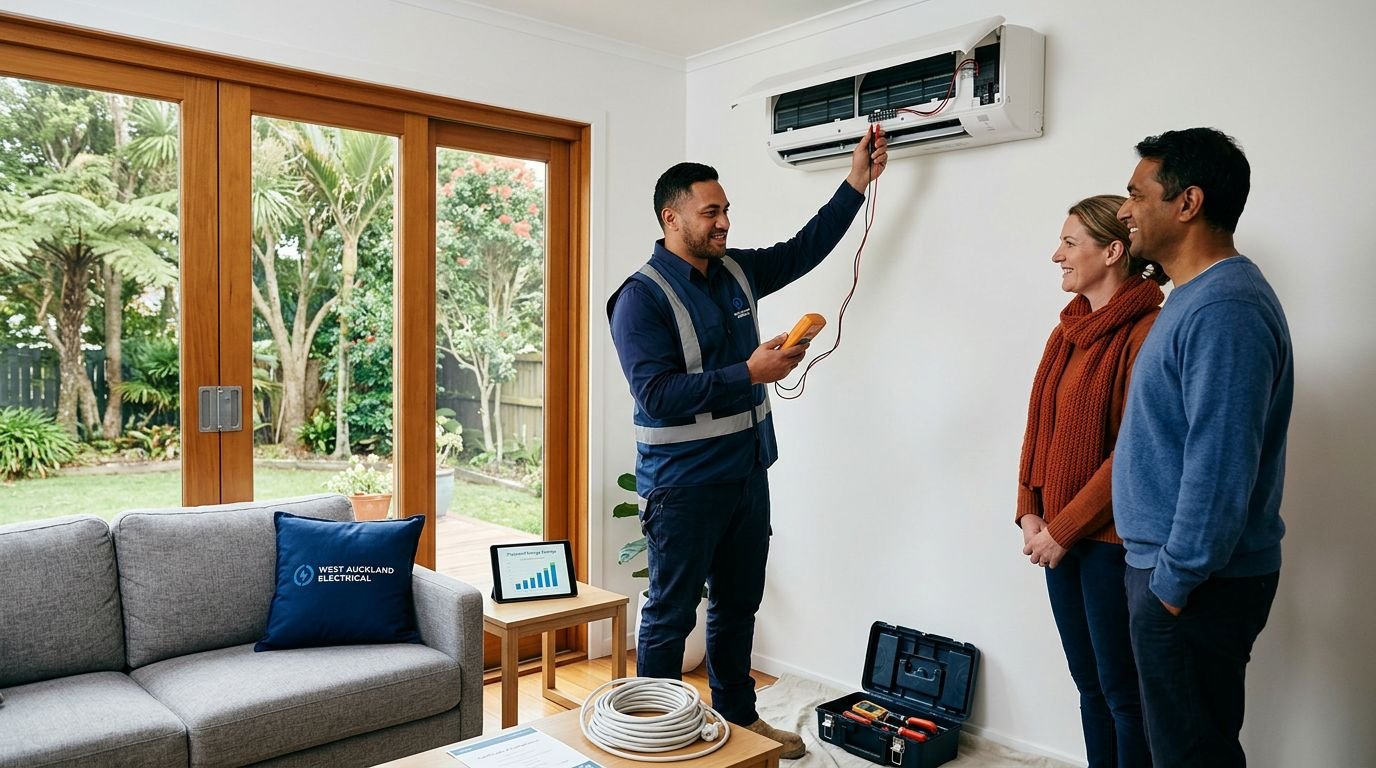
While DIY tasks keep the air flowing, they do not address the internal mechanics of the system. A professional service involves opening up the unit to access areas that are dangerous or difficult for a homeowner to reach. This includes the deep disinfection of the indoor coils, where mould and bacteria can thrive in Auckland’s humid climate. We use specialised cleaning solutions that are safe for the equipment but tough on grime.

A technician also checks the refrigerant levels. Heat pumps rely on a closed loop of refrigerant gas to move heat. If there is a small leak, the system will continue to run but will become increasingly inefficient. Only a licensed professional can handle refrigerant, as it requires specific certification and equipment to manage safely. Furthermore, we inspect all electrical connections, lubricating moving parts and checking for any signs of vermin damage inside the unit.

Modern air source heat pumps are incredibly efficient, with the U.S. Department of Energy noting they can reduce electricity use for heating by up to 75 percent compared with electric resistance heating. However, this efficiency depends entirely on the system being in peak condition. A professional service ensures you are actually seeing those savings on your monthly power bill.

Protecting your warranty and your investment

One of the most significant risks of attempting a full DIY service or repair is the impact on your manufacturer’s warranty. Most major brands in New Zealand require proof of annual professional maintenance to keep the warranty valid. If a major component like the compressor fails and you cannot show a history of professional servicing, you may find yourself facing a very expensive repair bill.

Industry experts at Johansen and Anderson point out that DIY repair attempts can void the manufacturer’s warranty , leaving the homeowner responsible for the full cost of any future failures. Beyond the warranty, regular maintenance significantly extends the life of your investment. While a neglected unit might struggle to reach ten years, ServiceTitan reports that residential systems typically last 15 to 20 years when properly maintained.

Our comprehensive residential service is designed to be an affordable way to secure this longevity. We charge $130 + GST for the first unit, and if you have multiple units in your home, each additional unit is serviced at a discounted rate of $65 + GST during the same visit. This small annual investment prevents the need for emergency call outs, which are often far more costly.

Warning signs that you need a professional immediately

Sometimes, your heat pump will tell you it needs help before your annual service is due. Ignoring these signs can lead to total system failure. If you notice weak airflow even after you have cleaned the filters, there is likely a blockage deeper inside the unit or an issue with the fan motor. Unusual noises, such as grinding or rattling, often indicate that a component has come loose or needs lubrication.

Musty or sour smells are another red flag. These odours usually mean that mould has taken hold on the indoor coil or within the condensate drain. Because Auckland is so humid, this is a common issue that requires professional grade disinfection to resolve properly. If you see your power bills rising for no apparent reason, it is a clear sign that the system is losing efficiency and needs a technical checkup.

We have put together a guide on the 5 critical signs your heat pump needs a service to help you identify these issues early. Catching a problem while it is still small is the best way to avoid the stress of a broken system during a heatwave or a cold snap.

The professional service checklist

When we arrive for a professional heat pump service, we follow a rigorous checklist that goes far beyond a simple wipe down. We remove and disinfect the indoor covers and louvres, ensuring every nook and cranny is clean. We flush the condensate drain to prevent water leaks and blockages, which can cause significant damage to your walls and flooring if left unchecked. Our team also treats the outdoor coils with a specialised wash to remove salt spray and environmental pollutants.

We also verify the isolation switch and all electrical terminals. Over time, the vibrations of the unit can cause electrical connections to loosen, which creates a fire risk or causes the unit to short circuit. By tightening these connections and inspecting the wiring, we ensure your system is safe for your family. This level of detail is why a professional service at least once a year is recommended by both manufacturers and energy efficiency advocates.

ServiceTitan highlights that following operations and maintenance best practices can save up to 20 percent on energy bills. This data reinforces our view that a professional service is not an optional extra but a core part of responsible home ownership.

Balancing DIY and professional care

The most successful heat pump owners in Auckland are those who take a balanced approach. They treat filter cleaning as a regular household chore, much like vacuuming the floors or taking out the bins. They keep the area around their outdoor unit tidy and keep an eye out for any changes in how the system sounds or smells. This basic maintenance can help the system run smoothly between our visits.

However, they also recognise that they are not HVAC technicians. They understand that the $130 + GST spent on an annual service is a small price to pay for the peace of mind that comes with a safe, efficient, and warranty protected system. By combining your regular cleaning with our technical expertise, you ensure that your heat pump provides the comfort you expect while keeping your energy costs as low as possible.

If it has been more than a year since your last professional check, or if you have noticed any of the warning signs we mentioned, now is the time to act. Book your service with us today to ensure your home stays comfortable all year round.

Recent Posts

By The Auckland Heat Pump Services Team February 25, 2026
Discover why Fujitsu heat pumps are a top choice for Auckland homes. Learn about energy efficiency, ZERL ratings, costs, and the benefits of professional installation.
By The Auckland Heat Pump Services Team February 24, 2026
Keep your Auckland home comfortable and your power bills low with our comprehensive heat pump maintenance checklist. Learn what to do yourself and when to call the pros.
By The Auckland Heat Pump Services Team February 15, 2026
Learn how seasonal considerations for heat pump use can save you up to $250 a year. Expert advice for Auckland homeowners on preparing for winter and summer.
By The Auckland Heat Pump Services Team February 13, 2026
Discover how modern heat pumps reduce emissions in Auckland. Learn about NZ's renewable grid, R32 refrigerants, and why moving heat is better for the planet.
By The Auckland Heat Pump Services Team January 31, 2026
Discover the actual running costs of heat pumps in Auckland. Learn how to calculate hourly costs, read energy labels, and save on power bills with expert tips.
By The Auckland Heat Pump Services Team January 28, 2026
Discover how to choose the best small heat pump for your Auckland apartment or unit. Learn about right-sizing, quiet operation, and efficient compact models.
By The Auckland Heat Pump Services Team January 23, 2026
Is your heat pump leaking water inside? Discover the 4 most common causes, from blocked drains to frozen coils, and learn when to call an Auckland expert.
By The Auckland Heat Pump Services Team January 21, 2026
Is your heat pump making strange sounds? Learn to identify grinding, hissing, and rattling noises to prevent costly repairs in your Auckland home.
By The Auckland Heat Pump Services Team January 16, 2026
Is your Auckland aircon ready for summer? Learn the 5 warning signs your heat pump needs a professional service to avoid breakdowns and high power bills.
By The Auckland Heat Pump Services Team January 14, 2026
Learn how to decode your Auckland heat pump quote. We break down unit costs, labour, electrical compliance, and hidden fees to help you compare quotes accurately.
Show More