

Auckland Heat Pump Guide: Master Seasonal Savings & Comfort All Year!
Seasonal Considerations for Heat Pump Use: Preparing Your Auckland Home for the Changing Year
Key Takeaways
- Autumn and spring serve as the ideal windows for a professional heat pump health check to prevent mid-season breakdowns.
- Setting your winter thermostat between 18 and 21 degrees Celsius balances home comfort with energy efficiency.
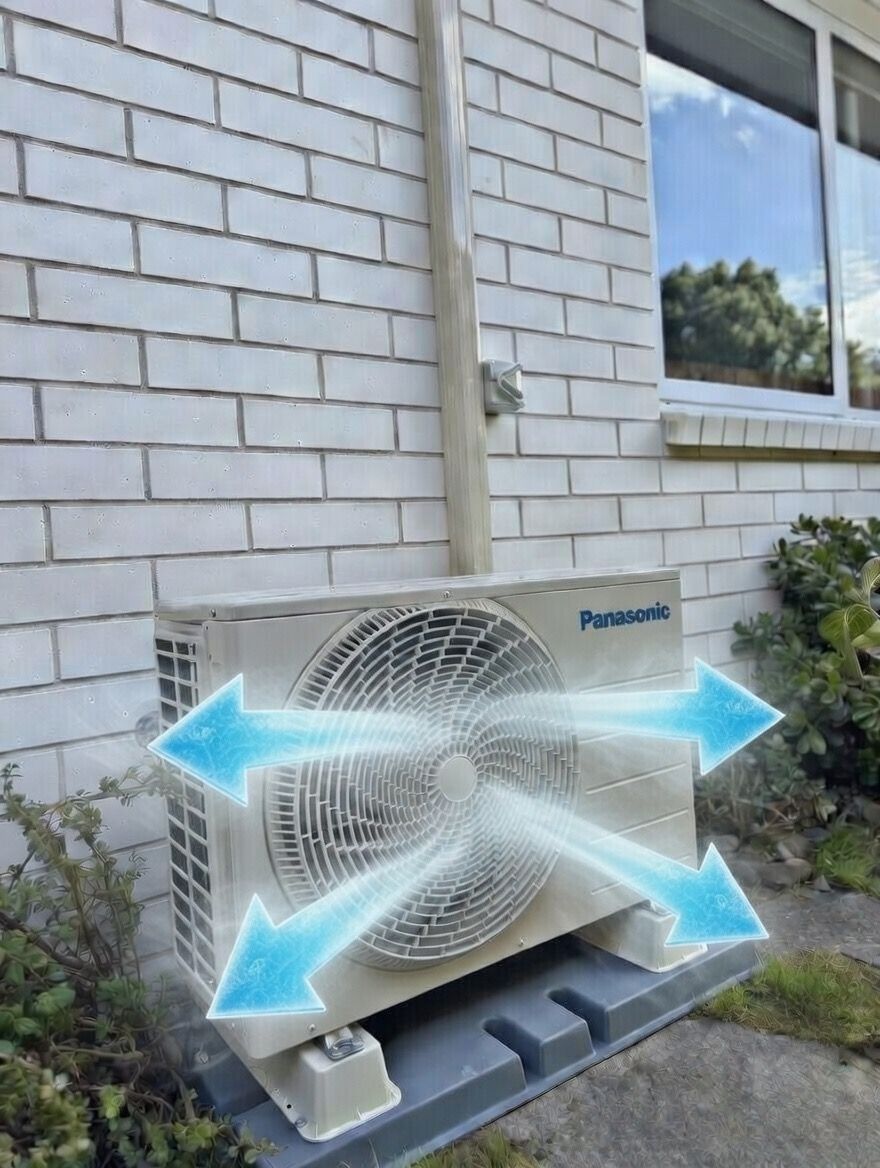
- Maintaining a 50 cm clear zone around your outdoor unit ensures the airflow required for optimal performance.
- Regular filter cleaning and professional servicing can reduce power consumption by up to 35 percent.
Auckland's weather famously provides four seasons in a single afternoon. Because our climate is often humid and unpredictable, most local homes and businesses rely on heat pumps every day of the year. This constant operation means the transition periods of autumn and spring are the most logical times to assess your system. Taking a proactive approach ensures your unit remains efficient when the July frosts arrive or the February humidity peaks.
We have completed over 6,000 installations across the region, and we consistently see that well-maintained systems last longer and cost significantly less to run. Whether you are a property manager in Remuera or a homeowner in Henderson, understanding how to adjust your settings for the changing seasons is the simplest way to protect your investment.
Preparing for the Auckland Winter
As the temperature drops, your heat pump becomes the primary tool for keeping your home dry and warm. In New Zealand, heating accounts for more than 35% of a typical winter power bill. Efficiency is therefore a financial necessity rather than a luxury. Modern units are incredibly capable, often delivering 3 to 5 kW of heat for every 1 kW of electricity they consume.
Auckland Council’s external design winter temperature is officially +1 degree Celsius. While our winters are mild compared to the South Island, your heat pump must work harder as the outdoor temperature approaches this mark. To maintain efficiency, we recommend setting your thermostat to a steady 18 to 21 degrees Celsius. Setting the temperature higher will not heat the room faster; it simply forces the compressor to run at maximum capacity for longer, increasing your power bill.
During cold, damp mornings, you may notice your unit occasionally stops blowing warm air and the outdoor unit begins to drip. This is the defrost cycle, a normal function where the system melts ice build-up on the outdoor coils. A serviced unit handles this process quickly, whereas a dirty unit may struggle, leading to longer periods without heat.
Getting Ready for the Summer Heat
When the humidity rises in late spring, your focus shifts from warmth to cooling and dehumidification. We suggest testing your cooling mode before the first genuine heatwave arrives. This allows you to identify any weak airflow or unusual smells while technicians are still readily available for bookings. Our guide on Auckland Summer SOS highlights the critical signs that your system requires professional attention before the peak heat hits.
For efficient summer use in Auckland, a setpoint of 21 to 22 degrees Celsius provides a comfortable environment without excessive power consumption. On particularly muggy days, using the "Dry" or dehumidify mode can often make the room feel significantly cooler by removing moisture from the air, often using less energy than full cooling mode. Always ensure your windows and doors remain closed while the system is running to prevent the unit from trying to cool the entire neighbourhood.
The Importance of Outdoor Clearances
The outdoor unit is the engine room of your system. It requires a constant, unobstructed flow of air to exchange heat effectively. We recommend that homeowners keep at least a 50 cm clear radius around the outdoor unit. This means trimming back autumn growth, removing fallen leaves, and ensuring no garden equipment or rubbish bins are leaning against the casing.
A blocked outdoor unit forces the fan to work harder and reduces the overall efficiency of the heat exchange process. In a coastal city like Auckland, we also suggest a quick visual check for any signs of salt corrosion or nesting pests, which are common causes of electrical failure in outdoor components.
DIY Maintenance vs Professional Servicing
Homeowners can manage several aspects of seasonal care independently. Cleaning your indoor filters every one to three months is the most effective way to maintain airflow. During periods of heavy use, such as mid-winter, checking these filters every two weeks is a smart habit. Dust and dirt trapped in filters can increase power consumption by 10 to 35%.
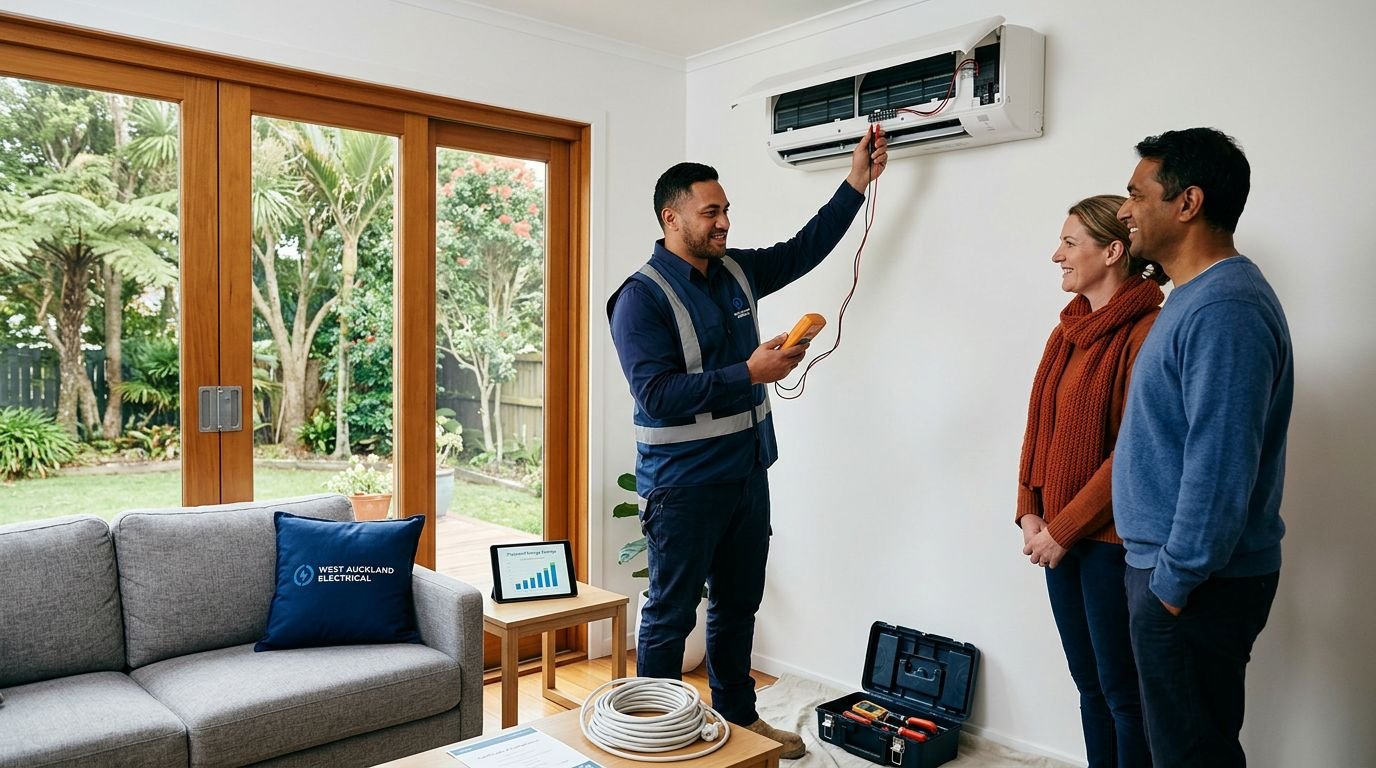
Professional servicing goes deep into the mechanical and electrical heart of the machine. While a homeowner can wash a filter, our technicians use specialised equipment to disinfect the internal coils, clear the primary drainage lines, and tighten electrical connections. An annual professional service can save up to $250 a year on energy bills and prevents the need for emergency repair call-outs, which typically cost between $150 and $250.
Our Heat Pump Health Check provides a full breakdown of what we look for during these essential visits. We focus on ensuring your system meets the performance benchmarks set by the Energy Efficiency and Conservation Authority (EECA), keeping your home healthy and your bills manageable.
Efficient Habits for Every Season
Small changes in how you operate your heat pump lead to significant long-term savings. We recommend using the timer function to warm the house before you wake up rather than leaving the unit running at a high temperature all night. Closing curtains at dusk helps retain the heat your system has generated, reducing the workload on the unit.
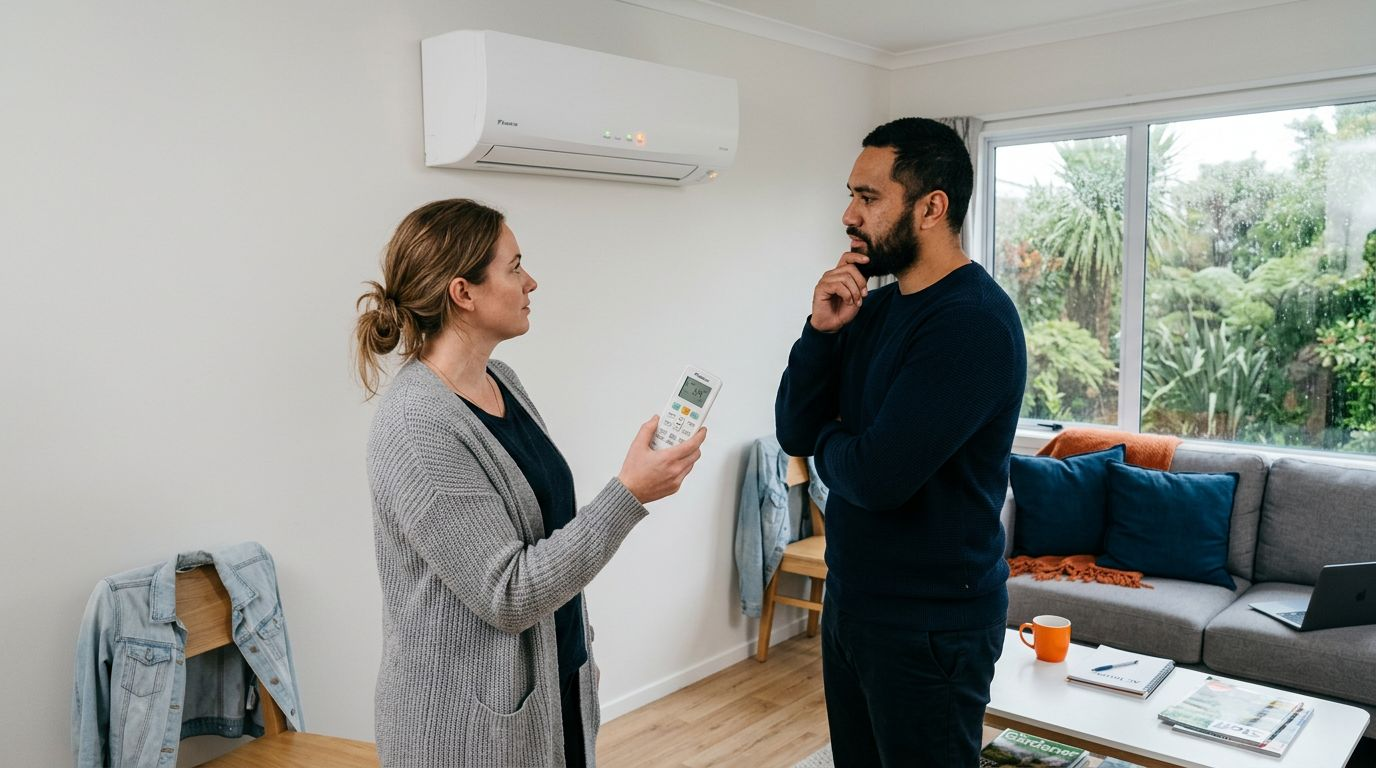
We also advise avoiding "Auto" mode. In this setting, the unit may attempt to switch between heating and cooling to maintain a precise temperature, which wastes energy. Selecting the specific "Heat" mode in winter and "Cool" mode in summer provides more consistent performance and lower running costs. If you are unsure which settings are best for your specific model, our team is always happy to provide a quick demonstration during a service visit.
Maintaining your heat pump is an investment in your home's air quality and your family's comfort. By combining simple DIY tasks with a professional seasonal check, you ensure your system is ready for whatever the Auckland sky decides to do next. Contact us today for a free consultation and let our registered electricians ensure your heat pump is operating at its peak.