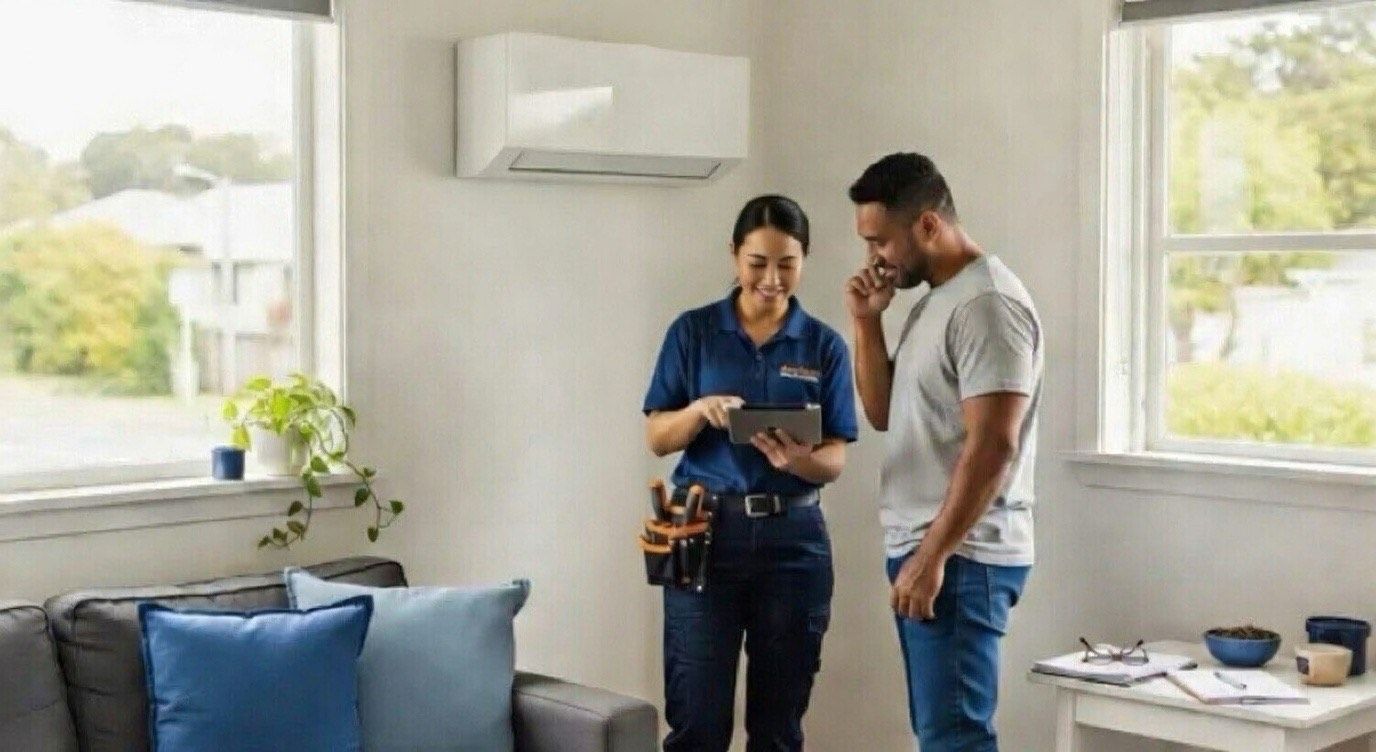

Heat Pump Horror Story? 4 Reasons Your Heat Pump is Leaking Water (& How to Fix It!)

The Auckland Heat Pump Services Team • January 23, 2026

Share this article

My Heat Pump is Leaking Water: 4 Common Causes and What to Do

Key Takeaways

  • Indoor leaks indicate a fault that requires immediate attention to prevent damage to your walls and flooring.
  • Blocked condensate drains are the most frequent cause of water dripping from indoor units.
  • Cleaning your filters every month can save approximately $50 a year on power and prevent coils from freezing.
  • Professional servicing identifies failing pumps and installation errors before they lead to costly repairs.

Finding a puddle of water on your floor or a damp patch on the wall behind your heat pump is a frustrating way to start the day. When you rely on your system for comfort during a humid Auckland summer or a damp winter, seeing your heat pump not working correctly creates immediate anxiety. You might worry the unit is broken beyond repair, but most leaks stem from common, fixable maintenance issues.

Water is a natural byproduct of how these systems function. During the cooling or dehumidifying process, the indoor unit draws moisture out of the air. This moisture collects on the cold evaporator coils, turns into liquid, and should safely exit your home. According to NZ guidance, water appearing around your outdoor unit is normal and is exactly where you want the water to be. However, water inside the house signals a problem that needs a professional eye.

We see these issues daily across the region. Whether you are a landlord in Manukau or a homeowner in Mt Eden, understanding why your unit is dripping is the first step toward a dry, comfortable home.

1. Clogged or Misaligned Condensate Drain Lines

The most frequent reason for an indoor leak is a blocked condensate drain line. Inside your wall-mounted unit, a small drip tray catches moisture and directs it into a plastic pipe that leads outside. Over time, Auckland’s humid climate encourages the growth of algae, slime, and dust inside this pipe. When the line becomes fully blocked, the water has nowhere to go but over the edge of the tray and down your wall.

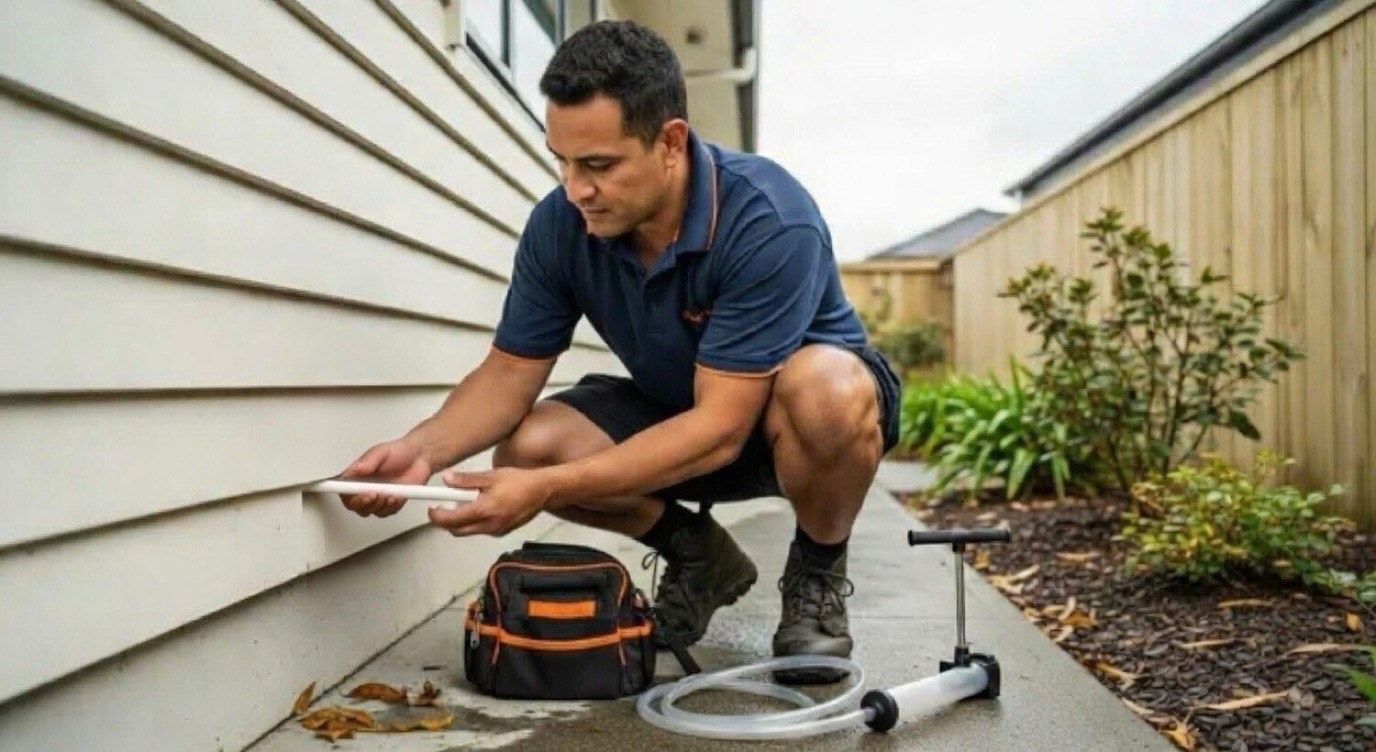
A misaligned drain line can also cause trouble. If the unit was installed with an insufficient slope, or if the pipe has shifted over time, gravity can no longer pull the water away effectively. You can perform a safe check by turning the unit off and looking at the drain outlet outside. If you see obvious debris or a kink in the pipe, clearing it might provide a temporary fix. However, if the blockage is deep within the internal plumbing, a technician must flush the system to prevent a recurrence.

For more details on identifying these symptoms, you can read our guide on common heat pump problems.

https://www.aucklandheatpumpservices.co.nz/from-cold-air-to-full-power-common-heat-pump-problems-how-to-fix-them

2. Faulty Condensate Pumps

In many Auckland homes, particularly where the heat pump is installed on an internal wall, gravity alone cannot move the water outside. In these cases, a small condensate pump is installed to lift the water up into the ceiling space or across to an external wall. When this pump fails or the internal sensor gets stuck, the water builds up rapidly and overflows.

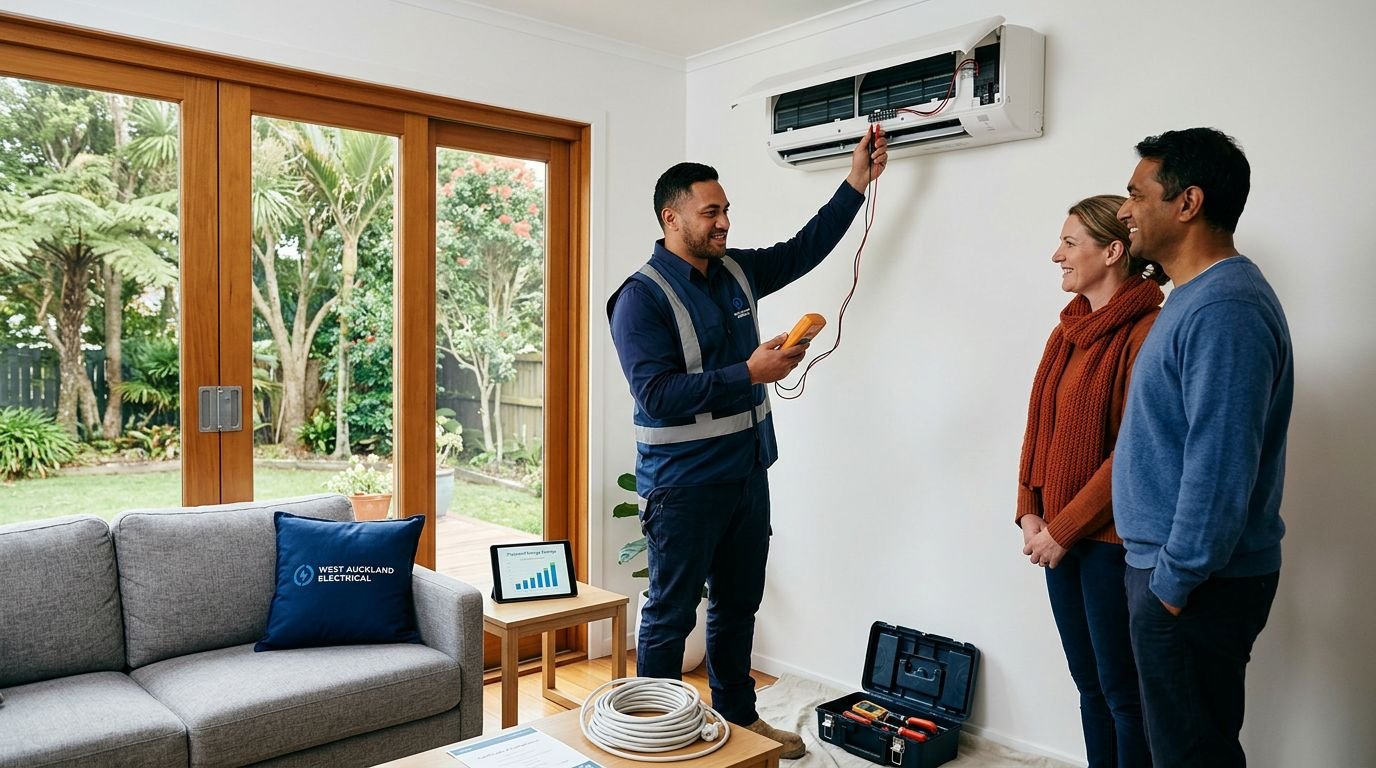
You might notice an intermittent gurgling or buzzing sound coming from the unit before a leak appears. Because these pumps involve electrical components and are tucked away inside the unit casing, this is a task for a registered electrician. We often find that replacing a failing pump is the most reliable way to restore your system to full health.

3. Dirty Filters and Frozen Coils

A heat pump not working efficiently often suffers from restricted airflow. When your filters are heavily coated in dust, the air cannot flow over the evaporator coils properly. This causes the temperature of the coils to drop so low that the moisture on them turns to ice. When you eventually turn the unit off or it enters a defrost cycle, that ice melts all at once, overwhelming the drip tray and causing a significant leak.

Keeping your filters clean is the best way to prevent this. EECA recommends cleaning your filters every few weeks during heavy use, which can save around $50 per year on your power bill. Furthermore, dust and dirt trapped in your system can increase power consumption by 10 to 35 percent. If you see ice forming on your indoor unit, turn it off immediately and allow it to melt before calling us to check for any lasting damage to the coils.

Regular maintenance is essential for longevity. You can learn more about our comprehensive maintenance checks on our servicing page.

https://www.aucklandheatpumpservices.co.nz/heatpump-service

4. Installation and Levelling Issues

Sometimes the cause of a leak dates back to the day the unit was installed. An indoor unit must be perfectly level or tilted slightly toward the drain side to ensure water flows correctly. If a unit is tilted forward or away from the drain, water will pool in the tray and eventually spill out. We also occasionally see leaks caused by poorly sealed wall penetrations, where rainwater from the outside tracks along the pipes and enters the home.

Take a property manager in Ponsonby, for example. They might find that a tenant reports a leak every time it rains, even when the heat pump is off. This usually points to an installation or sealing issue rather than a mechanical fault. Our team of registered electricians has completed over 6,000 installations, meaning we have the experience to spot and correct these underlying structural errors.

What to Do When You Spot a Leak

If your heat pump is leaking, follow these steps to protect your home:

  • Turn the unit off at the wall to stop the production of more condensation.
  • Place towels or a bucket underneath the leak to protect your flooring and furniture.
  • Check your filters. If they are thick with dust, clean them and see if the leak persists once the unit has dried out.
  • Inspect the outdoor drain pipe for obvious obstructions like bird nests or garden debris.

If the leak continues after you have cleaned the filters, or if you notice staining on your ceiling, it is time to call in the experts. Ignoring a small drip can lead to mould growth inside the unit and damage to your home's structure. A professional service includes flushing the drains, checking the pump, and ensuring the unit is operating at peak efficiency.

For a deeper look at how to maintain your unit year-round, check out our heat pump health check guide.

https://www.aucklandheatpumpservices.co.nz/the-heat-pump-health-check-your-guide-to-servicing-cleaning-and-longevity

Professional Help for Auckland Homeowners

A leaking heat pump is a sign that your system needs a little expert attention. At Auckland Heatpump Services, we specialise in diagnosing these issues quickly and providing honest, straightforward solutions. We understand the local climate and the specific challenges it poses to your heating and cooling systems.

Regular servicing prevents the vast majority of leaks and ensures your system remains energy-efficient. Whether you need a one-off repair or a seasonal health check, our team is ready to help you get your home back to its comfortable, dry best.

Recent Posts

By The Auckland Heat Pump Services Team February 25, 2026
Discover why Fujitsu heat pumps are a top choice for Auckland homes. Learn about energy efficiency, ZERL ratings, costs, and the benefits of professional installation.
By The Auckland Heat Pump Services Team February 24, 2026
Keep your Auckland home comfortable and your power bills low with our comprehensive heat pump maintenance checklist. Learn what to do yourself and when to call the pros.
By The Auckland Heat Pump Services Team February 20, 2026
Learn which heat pump maintenance tasks you can handle yourself in Auckland and why professional servicing is essential for efficiency and warranty protection.
By The Auckland Heat Pump Services Team February 15, 2026
Learn how seasonal considerations for heat pump use can save you up to $250 a year. Expert advice for Auckland homeowners on preparing for winter and summer.
By The Auckland Heat Pump Services Team February 13, 2026
Discover how modern heat pumps reduce emissions in Auckland. Learn about NZ's renewable grid, R32 refrigerants, and why moving heat is better for the planet.
By The Auckland Heat Pump Services Team January 31, 2026
Discover the actual running costs of heat pumps in Auckland. Learn how to calculate hourly costs, read energy labels, and save on power bills with expert tips.
By The Auckland Heat Pump Services Team January 28, 2026
Discover how to choose the best small heat pump for your Auckland apartment or unit. Learn about right-sizing, quiet operation, and efficient compact models.
By The Auckland Heat Pump Services Team January 21, 2026
Is your heat pump making strange sounds? Learn to identify grinding, hissing, and rattling noises to prevent costly repairs in your Auckland home.
By The Auckland Heat Pump Services Team January 16, 2026
Is your Auckland aircon ready for summer? Learn the 5 warning signs your heat pump needs a professional service to avoid breakdowns and high power bills.
By The Auckland Heat Pump Services Team January 14, 2026
Learn how to decode your Auckland heat pump quote. We break down unit costs, labour, electrical compliance, and hidden fees to help you compare quotes accurately.
Show More