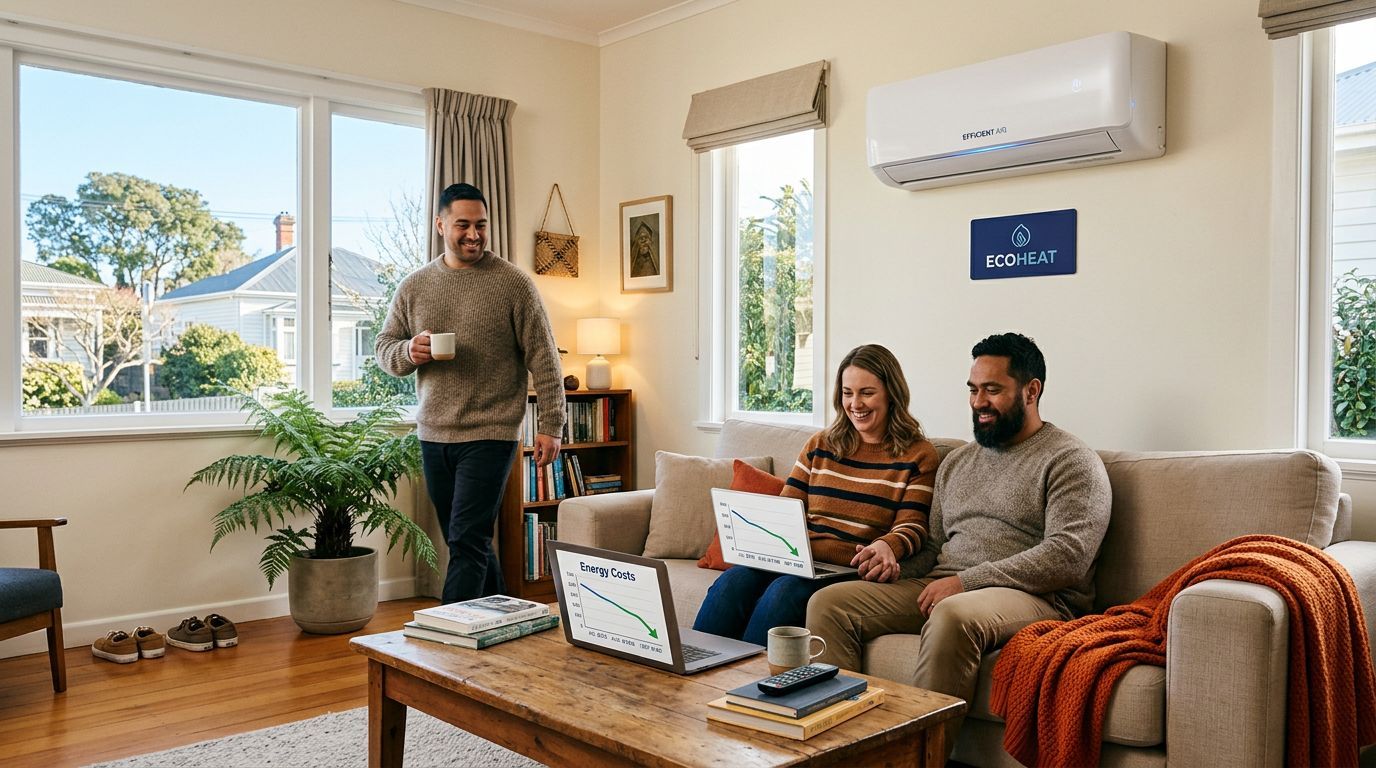
Tiny Home, Huge Comfort: The Ultimate Guide to Small Heat Pumps in NZ
Small Space, Big Comfort: Choosing the Best Small Heat Pump in NZ
Key Takeaways
- Right-sizing is the most critical factor for efficiency and comfort in small spaces.
- Modern compact heat pumps deliver 3 to 5 times more heat than the electricity they consume.
- Quiet operation is essential for apartments, with leading units running as low as 21 decibels.
- Professional assessments account for insulation, glazing, and Auckland’s unique humidity.
Living in an Auckland apartment or a compact unit often means balancing limited wall space with the need for year-round comfort. Our damp winters and humid summers require a system that does more than just blow hot air. A modern heat pump provides heating, cooling, and dehumidification in one compact system, making it the most efficient way to manage your indoor climate.
We have spent over 15 years installing more than 6,000 units across Auckland. We know that small homes present unique challenges, from body corporate rules to limited balcony space for outdoor units. Choosing the right "small heat pump NZ" shoppers look for involves understanding capacity, noise levels, and placement to ensure you get the best return on your investment.
The Efficiency of Small Space Heating
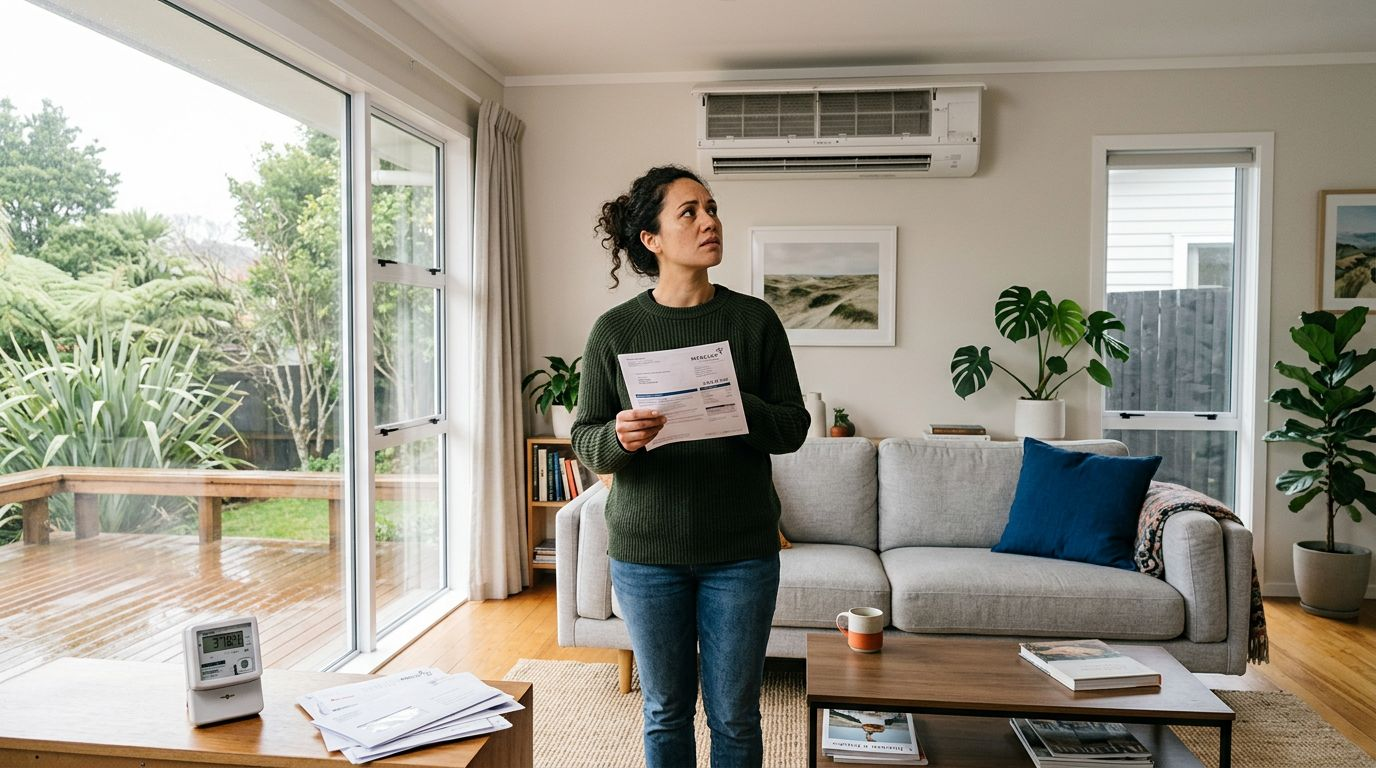
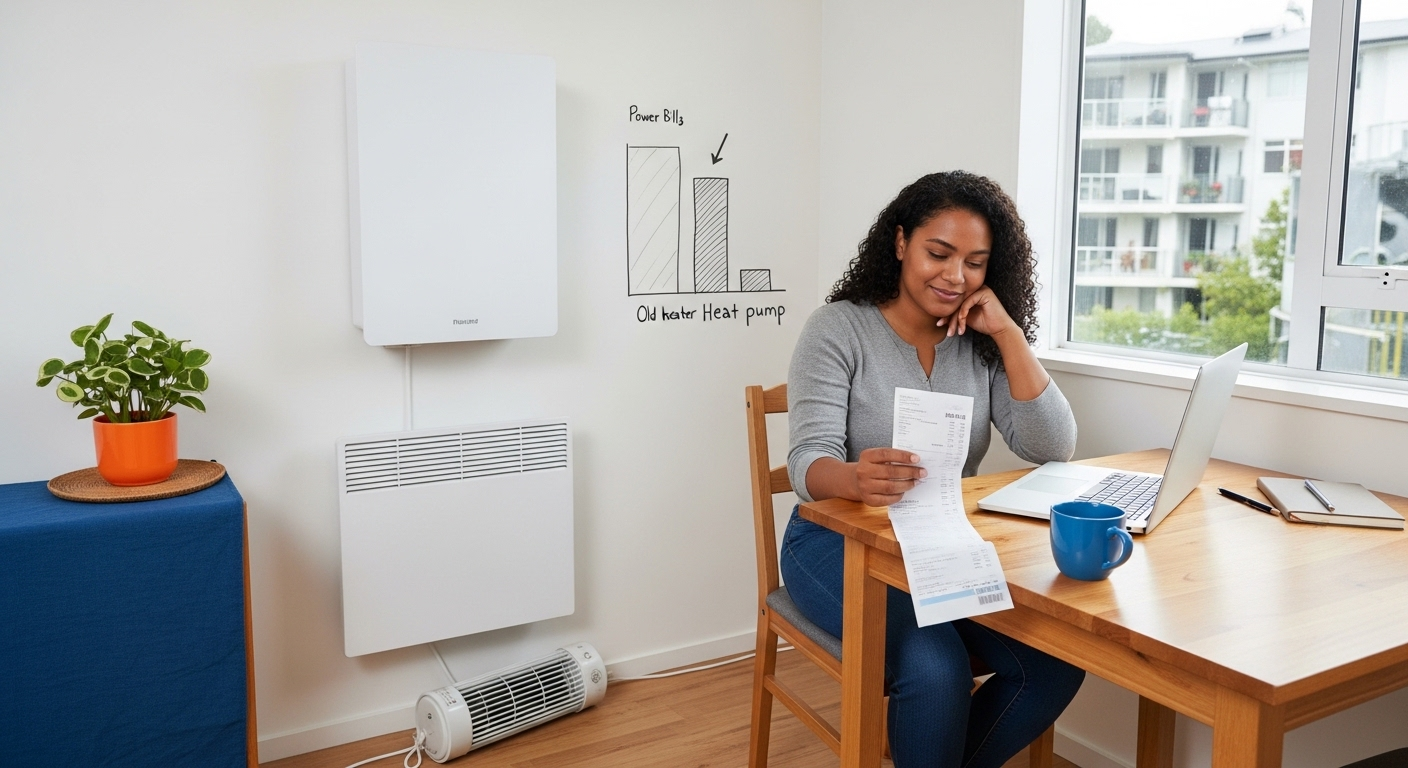
Heat pumps stand as New Zealand’s most efficient form of electric heating. According to EECA , these systems deliver about 3 to 5 times more heat than the electrical energy they consume. This efficiency translates to significant savings on power bills, especially when compared to traditional plug-in heaters or gas systems.
Because our electricity grid relies heavily on renewable sources, heat pumps are also a win for the environment. They produce roughly 10 times lower emissions than gas or LPG heating. For an Auckland household, switching from piped gas to a heat pump can save an average of $122 per year on heating alone, even before considering the removal of fixed gas connection charges.
Why Right-Sizing Beats "Bigger is Better"
A common mistake in small homes is installing a unit with too much capacity. While it might seem like a larger unit would heat a room faster, the reality is quite different. An oversized heat pump will short-cycle, meaning it turns on and off rapidly. This process increases wear on the components, fails to dehumidify the air properly, and creates uncomfortable drafts.
Conversely, an undersized unit runs at maximum output constantly. This leads to higher power use and a system that struggles to maintain warmth on the coldest Auckland nights. Accurate sizing is about finding the "Goldilocks" zone for your specific room volume.
As a general starting point, a room up to 20 square metres typically requires a 2.0kW to 2.5kW unit. For spaces between 20 and 30 square metres, a 2.8kW to 3.5kW model is usually appropriate. You can use our Heat Pump Calculator to get a better idea of the capacity your space needs.
Key Considerations for Apartments and Units
Professional sizing goes beyond simple floor area. We look at several factors that influence how much work your heat pump needs to do:
Ceiling Height: High studs in older Auckland villas or modern industrial-style apartments increase the total volume of air that needs to be treated, requiring more capacity than a standard 2.4-metre ceiling.
Glazing and Orientation: Large glass sliders are common in modern apartments. North-facing rooms with significant glazing will trap heat in summer, requiring better cooling capacity, while south-facing units may need extra help to stay warm in winter.
Noise Levels: In a small apartment, the indoor unit is often close to where you sleep or watch TV. We recommend units with whisper-quiet modes. Many leading models operate at around 21 to 25 decibels, which is quieter than a soft whisper.
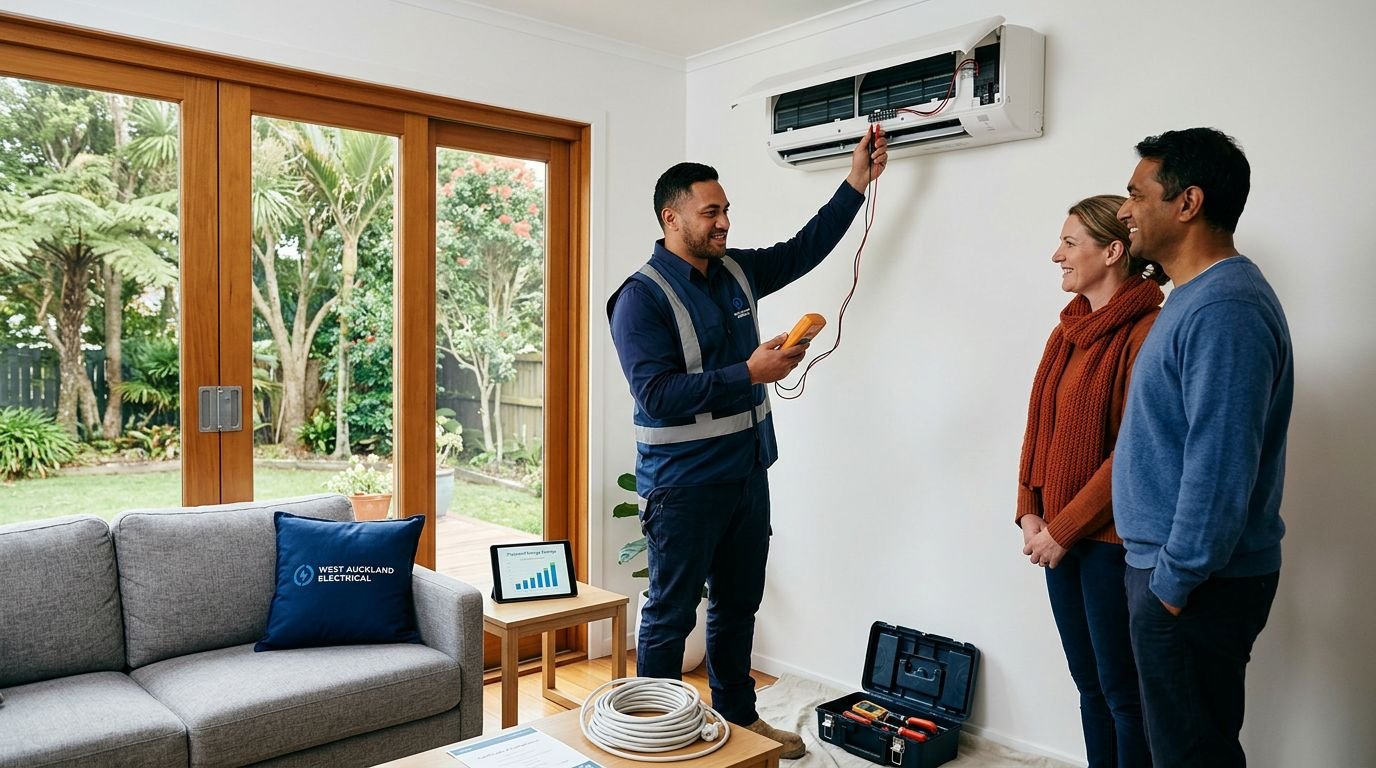
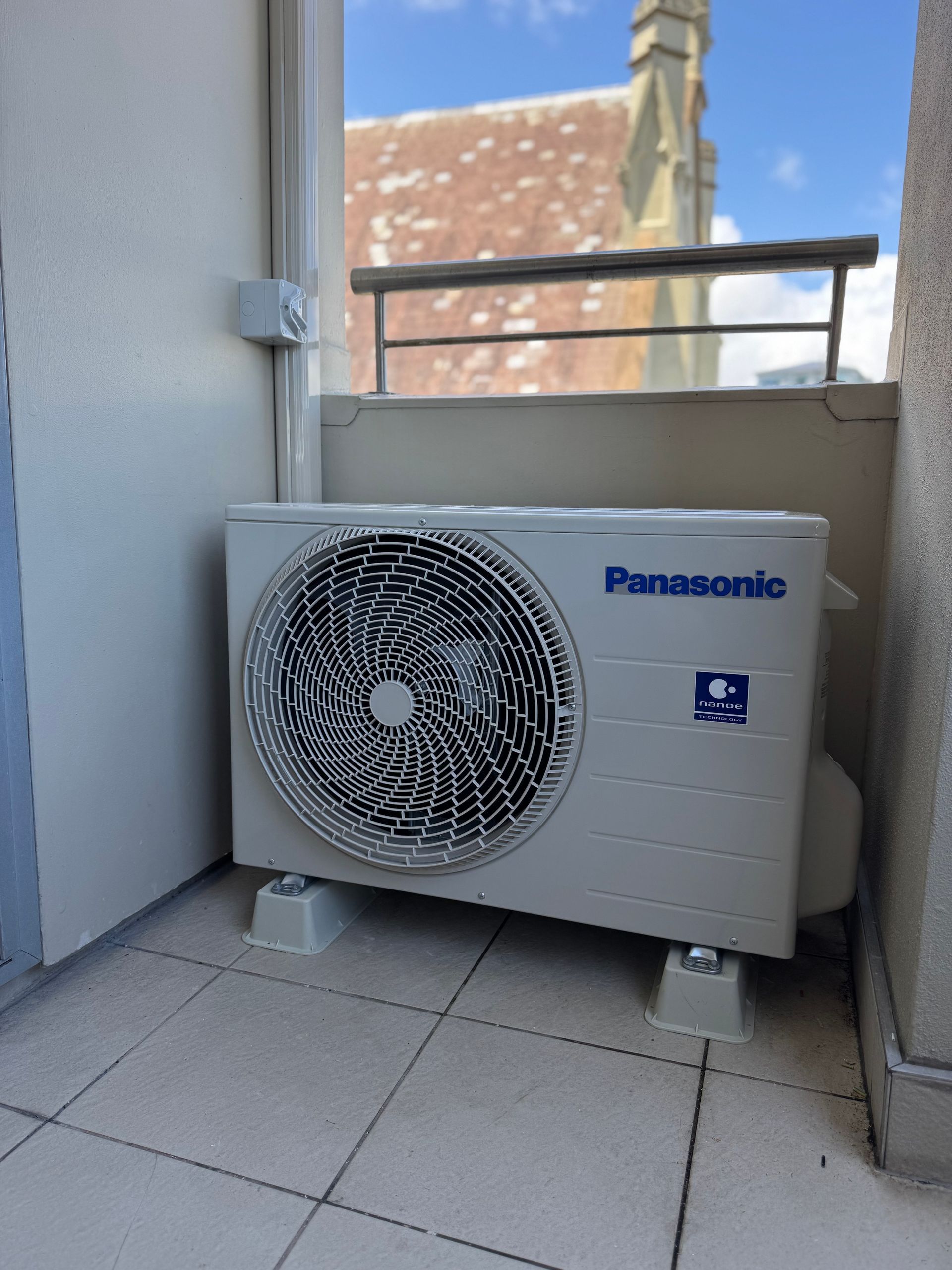
Outdoor Placement: Apartment balconies are often small. We must ensure the outdoor unit has enough clearance for airflow while remaining accessible for servicing. We also consider the impact on neighbours to ensure compliance with noise regulations and body corporate rules.
Recommended Small and Compact Units
Several manufacturers have designed units specifically for the "small heat pump NZ" market. These models prioritise a slim physical footprint without sacrificing performance.
The Mitsubishi Electric AP20 is a standout for small bedrooms. It is one of the smallest high-wall units available in New Zealand, measuring only 760mm wide. It operates from a whisper-quiet 21 decibels and provides 2.5kW of heating, making it ideal for compact spaces. You can find more details on similar high-performance options in our Auckland Heat Pump Installation guide.
Another excellent choice is the Panasonic Aero Z series. These units are highly regarded for their nanoe X air purification technology, which helps inhibit pollutants and odours, a great feature for city apartments. We have a detailed breakdown of these features in our Panasonic Heat Pumps guide.
Auckland Small Home Archetypes
To help you visualise how these units fit into real Auckland homes, consider these common scenarios:
The CBD Studio: A 45-square-metre apartment in the city centre often benefits from a single 3.5kW quiet high-wall unit. By placing the unit in the main living area, the airflow can reach the sleeping nook, provided the layout is open. Correct placement on the balcony ensures the outdoor unit doesn't vibrate against the building structure.
The West Auckland Unit: A 12-square-metre bedroom in an older brick-and-tile unit needs a 2.0kW to 2.5kW unit. Because these units often have less insulation than modern builds, we choose a model that can handle the extra load on frosty mornings while remaining quiet enough for a good night's sleep.
The Hobsonville Townhouse: These modern multi-storey homes often use a staged approach. We might install a 3.5kW to 4.0kW unit in the open-plan living area first, then add a smaller 2.0kW unit in the middle bedroom later. This ensures each zone is independently controlled and perfectly sized for its use.
Maintenance for Longevity
A well-maintained heat pump typically lasts between 10 and 15 years. In small spaces, where the unit might be the primary source of climate control, keeping it clean is vital for efficiency. We recommend cleaning your indoor filters every two to four weeks during heavy use. Dust buildup forces the motor to work harder, increasing your power bill and shortening the life of the unit.
Professional servicing once a year ensures the refrigerant levels are correct and the outdoor coils are clear of debris. This preventive care keeps the system running at its peak Coefficient of Performance (COP), which for most modern units is around 4, meaning you get 4kW of heat for every 1kW of electricity used.
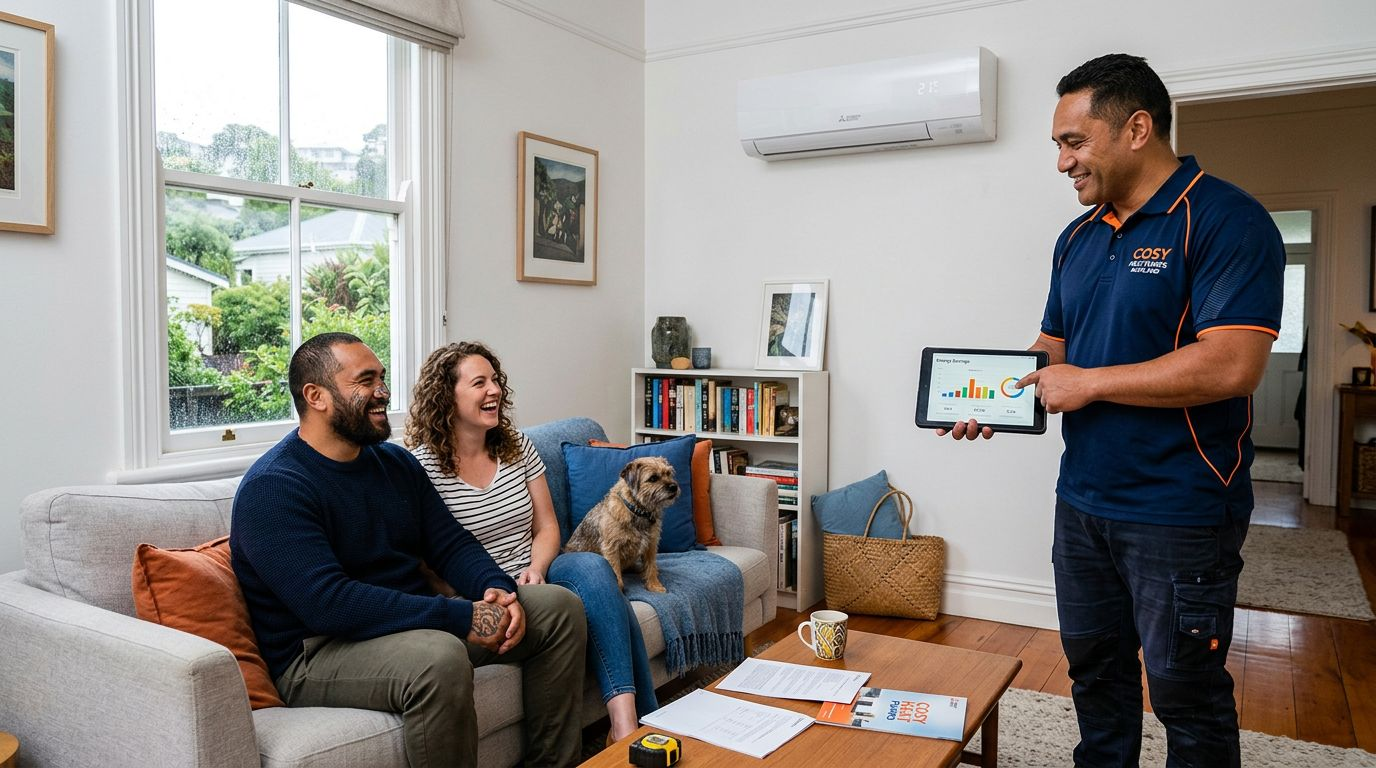
If you are ready to find the perfect fit for your small home, our team of registered electricians can provide a free on-site consultation and quote. We focus on practical, honest advice to ensure your Auckland apartment stays comfortable all year round.